









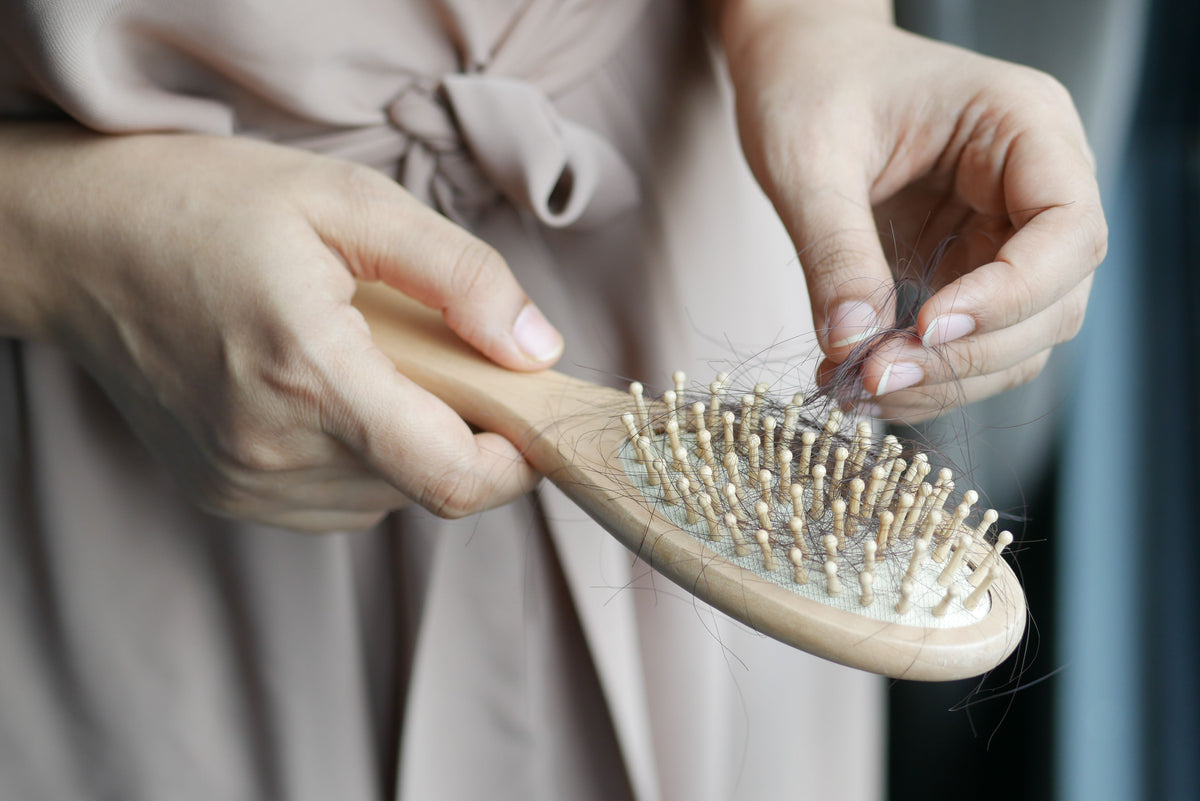
What's the difference between hair shedding and hair loss? Shedding is when hairs fall out but grow back. Losing 50 to 100 hairs a day is normal, and a temporary spike often follows stress or illness. Hair loss is when hair stops growing back or grows back thinner, so you see a wider part, a receding hairline or patches. Shedding usually resolves on its own; hair loss often needs a dermatologist.
How much hair shedding is normal?
According to the American Academy of Dermatology, most people shed 50 to 100 hairs a day. You may notice more on wash days, because hairs that already came loose wash out together. Long hair also looks like "more" in the drain than short hair does.
What causes excessive shedding?
Heavy shedding is often telogen effluvium. A shock to the body pushes many hairs into their resting phase at once, and they fall out 2 to 4 months later. Common triggers:
- Illness or high fever
- Major stress
- Childbirth
- Rapid weight loss, including on GLP-1 medications
- Surgery
- Low iron or other nutrient gaps
- Starting or stopping some medications
The good news: once the trigger has passed, this kind of shedding usually stops within about 6 months, and the hair grows back.

What causes true hair loss?
Hair loss means the follicles are producing thinner hair, or none at all. Common causes:
- Genetic hair loss (androgenetic alopecia), the most common cause in both men and women.
- Alopecia areata, an autoimmune condition that causes round bald patches.
- Traction alopecia from tight hairstyles over time.
- Thyroid disease and other medical conditions.
How can you tell which one you have?
- Look at the hair that fell out. A shed hair often has a tiny white bulb at the root. That's normal.
- Check your part and hairline. A widening part or receding hairline points to hair loss, not shedding.
- Think back 3 months. If you were sick, stressed or lost weight quickly, shedding is likely.
- Look for new growth. Short baby hairs along the hairline are a good sign that hair is growing back.
- Take photos of your part in the same light once a month to track change.
When should you see a doctor?
See a dermatologist if you have bald patches, a fast-widening part, shedding that lasts more than 6 months, or scalp pain, itching or scaling. Early treatment matters most for genetic hair loss and alopecia areata. Ask about blood tests for iron, thyroid and vitamin D.

How can you support healthy hair growth?
- Eat enough protein, since hair is built from keratin.
- Fix any nutrient gaps your doctor finds.
- Be gentle: loose styles, less heat, a wide-tooth comb on wet hair.
- Care for your scalp. Our GROW Prebiotic Scalp Mist hydrates and refreshes the scalp with prebiotic kelp, aloe, rosemary and peppermint.
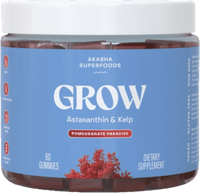
- Support hair from within with GROW Astaxanthin Hair Gummies, made with astaxanthin, pumpkin seed and zinc, which supports a healthy scalp.*
On a GLP-1 medication? Read our guide to GLP-1 and Ozempic hair loss.
The bottom line
Shedding is usually temporary and grows back; hair loss usually doesn't fix itself. Track your part with photos, think about recent triggers, and see a dermatologist if you notice patches, a widening part or shedding past 6 months.
Medically reviewed by Alex Pastorkovich, RN. *These statements have not been evaluated by the Food and Drug Administration. This product is not intended to diagnose, treat, cure or prevent any disease. This article is for education and is not medical advice. Talk to your doctor before starting any supplement.


